
The best career change CV profile uses a simple formula. It leads with the target role, bridges the gap with 2 to 3 transferable skills, and proves credibility with one quantified achievement. In the UK, 33% of workers surveyed want to completely change careers, so a profile that quickly explains the pivot isn't optional. It's the part that helps a recruiter understand the move before they skip to the next CV.
A strong profile isn't a mini biography. It's a positioning statement built for a fast scan. The strongest versions name the destination, show relevance straight away, and avoid trying to defend the past. What follows is a practical framework, examples that can be adapted, and the mistakes that cause career changers to disappear in the pile.
How to Write a Career Change CV Profile
Britain has become a "career reset nation", with 33% of workers surveyed expressing a desire to completely change careers according to the Careershifters career change statistics. That matters because recruiters spend only seconds on a CV profile, and a career changer doesn't have those seconds to waste on background detail that doesn't support the next move.
A good career change CV profile does three things fast. It states the role being targeted, translates earlier experience into language the new sector recognises, and gives one concrete example that signals value. That's the difference between sounding hopeful and sounding hireable.
For candidates strengthening their pivot with recent training, relevant credentials from Mindmesh Academy certifications can help support the story, especially when they're tied to the target role rather than listed as a separate afterthought.
Candidates who need help tightening the opening line itself should also review this guide on how to write a personal statement for a CV, because the profile and personal statement often overlap in practice.
Practical rule: A career change profile should explain the future, not summarise the past.
Is your CV actually getting responses?
Your CV might be missing something important
Upload your CV → see its weakest areas → fix them, one by one.
Free. Takes less than 2 minutes.
The Three-Part Formula for a Powerful Profile
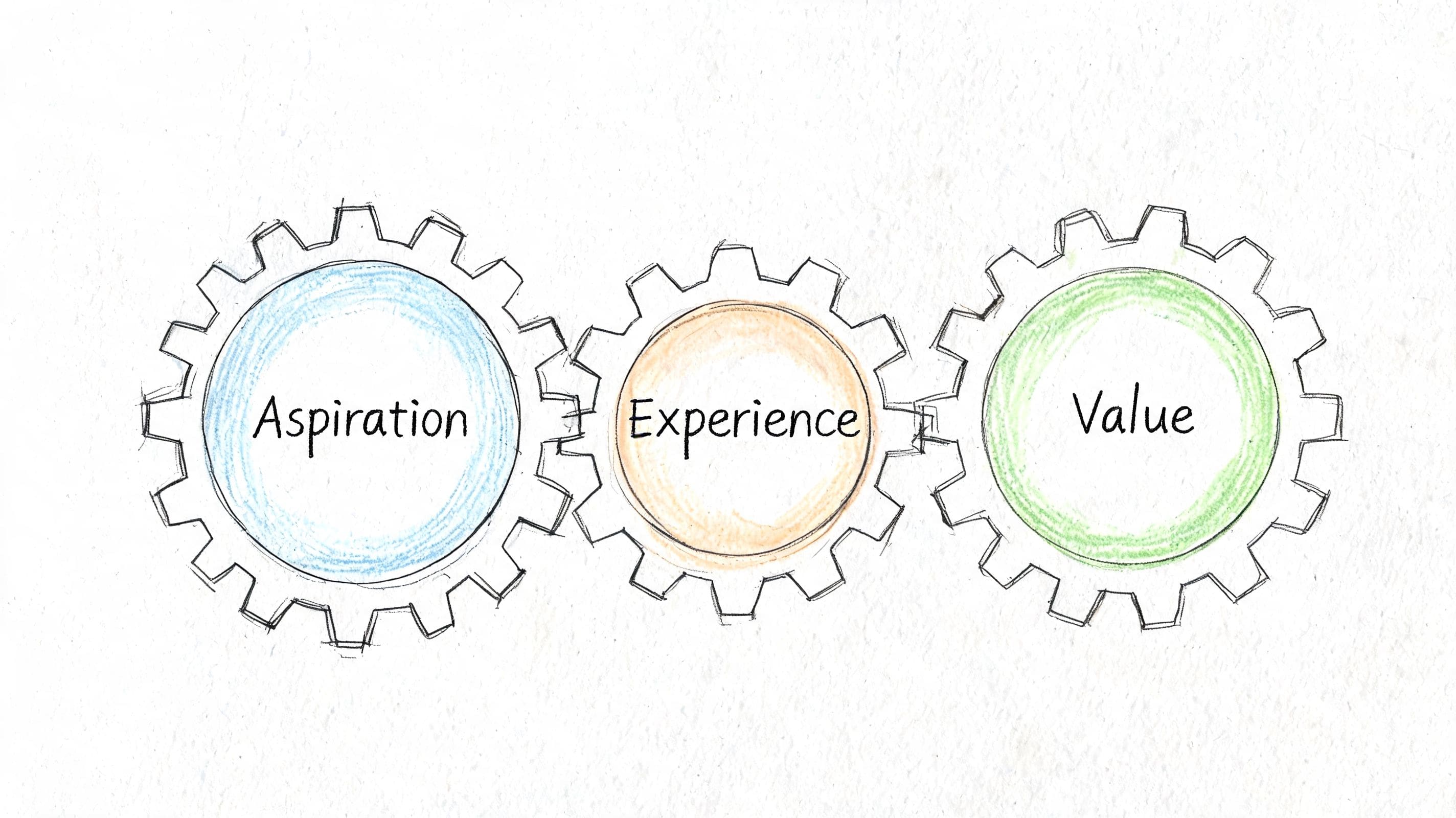
Most weak profiles fail because they read like a shortened employment history. A recruiter doesn't need that at the top. A recruiter needs a reason to keep reading.
The most reliable structure is this:
- Aspiration
- Bridge
- Proof
Aspiration
Start with the role being pursued. Not the old identity. Not a vague phrase like "experienced professional seeking new opportunities".
Good openings sound like this:
- Customer-focused operations professional targeting Customer Success roles
- Project coordinator transitioning into Learning and Development
- Analytical administrator pursuing an entry-level data role
This works because it removes ambiguity. A recruiter can place the candidate immediately.
Bridge
The middle part connects old work to new work using 2 to 3 transferable skills that matter in the target job. Here, most career changers either become persuasive or become generic.
Useful bridges often include skills such as:
- Stakeholder communication
- Process improvement
- Training delivery
- Client relationship management
- Data handling
- Project coordination
The wording should translate, not copy. "Handled customer complaints" becomes resolved service issues and protected client relationships. "Managed rotas" becomes resource planning and team coordination.
The bridge is where a career changer earns credibility. It tells the recruiter, "this move makes sense."
Proof
Finish with one hard example. This is the line that stops the profile sounding aspirational only. It shows that the candidate has already delivered something relevant, even if it happened in another sector.
Examples:
- Delivered onboarding and coaching across multi-site teams
- Improved reporting accuracy through spreadsheet-based tracking
- Managed high-value client-facing operations in fast-paced settings
For extra help sharpening summary language, this Underdog.io guide to career summaries is a useful reference because it shows how concise positioning works in practice.
A copyable template
A practical career change CV profile template looks like this:
[Target role] with experience in [transferable skill 1], [transferable skill 2], and [transferable skill 3]. Brings a background in [previous field] with proven ability to [relevant contribution]. Known for [brief proof or quantified result], now applying that strength to [new field or role type].
That template works because each line has a job. The first line labels the destination. The second line links the past to the role. The final line provides evidence.
How to Identify Your Key Transferable Skills
The hardest part of writing a career change CV profile isn't the wording. It's choosing the right evidence.
According to the Career Change Statistics PDF, 76% of UK recruiters prioritise "evidence of adaptability" over direct experience, and a skills-first approach can increase application-to-interview conversions by over 41%. That means the profile shouldn't try to disguise a career change. It should make adaptability visible.
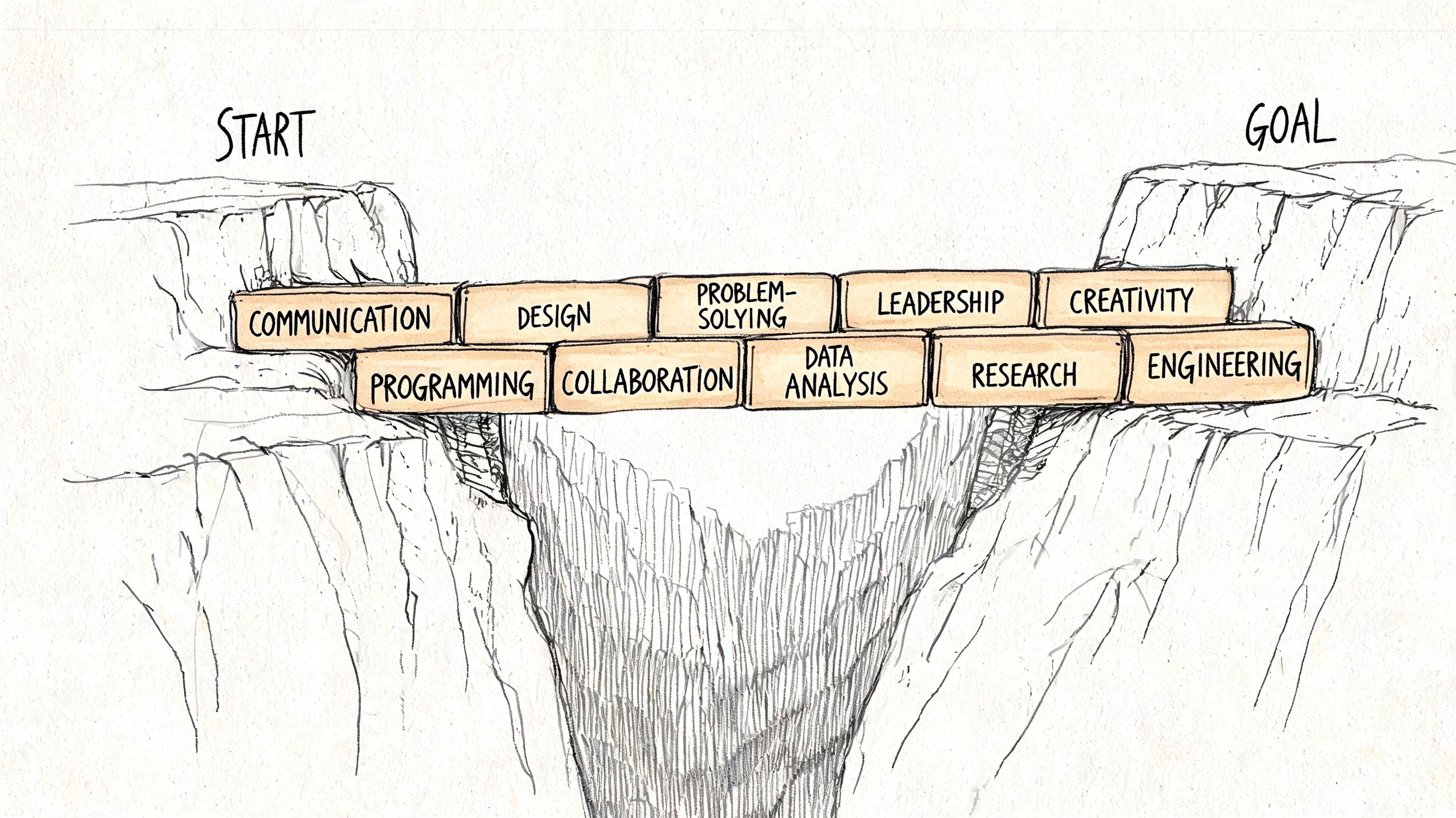
Use a Skills Bridge Matrix
A simple way to do this is with a Skills Bridge Matrix. It has three columns:
| Past task or responsibility | What skill it actually shows | How that fits the target role |
|---|---|---|
| Ran a busy front desk | Prioritisation, communication, issue handling | Useful for office support, customer success, operations |
| Managed retail shifts | Team coordination, scheduling, problem-solving | Useful for project support, operations, service delivery |
| Delivered classroom lessons | Training, presentation, engagement | Useful for L&D, onboarding, internal communications |
This exercise forces the candidate to stop thinking in job titles and start thinking in functions.
Pull skills from the target job description
The next step is to mark up the target vacancy. Look for repeated requirements, especially in these areas:
- Core delivery skills such as reporting, planning, training, analysis
- People skills such as stakeholder management, customer support, collaboration
- Operational skills such as process improvement, documentation, scheduling
- Tool or system language such as CRM, Excel, ticketing systems, databases
Then match only the strongest overlaps from previous roles. If a hospitality manager wants a customer success role, "worked in hospitality" isn't the point. "Handled escalations, retained client trust, coordinated service delivery, trained staff" is the point.
Candidates who want more detail on separating and naming these strengths can use this guide on hard and soft skills for CVs.
A transferable skill isn't a soft description of character. It's a work behaviour that another employer can recognise and buy.
Translate duties into employer language
At this stage, profiles often improve quickly. A few common translations:
- Customer service becomes client relationship management
- Teaching lessons becomes training and knowledge delivery
- Running shifts becomes team leadership and operational coordination
- Handling complaints becomes issue resolution and stakeholder communication
- Stock control becomes inventory accuracy and process management
The key is staying truthful while using the language of the target field. That's not spin. It's interpretation.
One practical option for this stage is using tools that compare a CV against a job description. CV Anywhere, for example, includes a Fit Checker that analyses job descriptions and highlights skill gaps, which can help a candidate choose which transferable skills belong in the profile and which belong lower down in the CV.
Career Change CV Profile Examples Before and After
Generic profiles are one of the fastest ways to lose a recruiter. They usually sound responsible, hardworking, and completely forgettable.
That's a problem because, according to CIPD's Resourcing and Talent Planning Report 2025, CVs with quantified achievements are 35% more likely to pass Applicant Tracking Systems in competitive UK sectors like tech and finance. For a career changer, that means the profile shouldn't just claim ability. It should show evidence.
CV Profile Examples Before and After
| Career Pivot | Before (Weak Profile) | After (Strong Profile) |
|---|---|---|
| Teacher to Learning and Development | Experienced teacher looking for a new challenge outside education. Strong communication and organisational skills with a passion for helping people learn and grow. | Learning and Development professional transitioning from teaching, with strengths in training delivery, stakeholder communication, and content planning. Brings experience designing structured learning, supporting varied ability levels, and improving engagement in demanding environments. Delivered lessons, coaching, and progress tracking across multiple learner groups, now applying that capability to workplace training and onboarding. |
| Hospitality Manager to Customer Success Manager | Hardworking hospitality manager with years of experience working with customers and leading teams. Looking to move into tech and use strong people skills. | Customer Success candidate with a background in hospitality operations, offering strengths in client relationship management, issue resolution, and team coordination. Experienced in managing service delivery, handling escalations, and maintaining customer trust in fast-paced settings. Managed high-value customer-facing operations and led service standards across busy teams, now bringing that commercial awareness to SaaS client support. |
| Administrator to Data Analyst | Organised administrator seeking to move into data analysis. Fast learner with attention to detail and good IT skills. | Entry-level data analyst candidate with experience in administration, reporting, and data accuracy. Combines spreadsheet analysis, process tracking, and problem-solving with a strong record of handling business information carefully. Produced regular reports and maintained accurate records to support operational decisions, now applying that analytical foundation to data-focused roles. |
What changed in the stronger versions
The better examples all do the same three things:
- They name the target role clearly so the reader doesn't have to guess.
- They choose specific transferable skills instead of vague traits like "motivated" or "people person".
- They include proof through a concrete contribution or measurable type of responsibility.
A better way to draft the profile
A useful drafting method is to write three rough lines separately:
- Who the candidate wants to be hired as
- Which past strengths are most relevant
- What evidence best proves those strengths
Then combine and tighten. A better result is often achieved by trimming, not adding.
Candidates looking for more pivot examples can review these career change CV examples, especially when deciding how the profile should align with the rest of the document.
Common Pitfalls That Get Your CV Rejected
A career change profile can be well intentioned and still fail. The usual reason isn't lack of effort. It's poor framing.
In the UK, Workable's AI screening bias report notes that AI flags "inconsistent" profiles 40% more often for career changers, and that using a skills-first or hybrid format can reduce AI rejection rates by up to 27%. So the profile has to work for software as well as a human reader.
Vague buzzwords
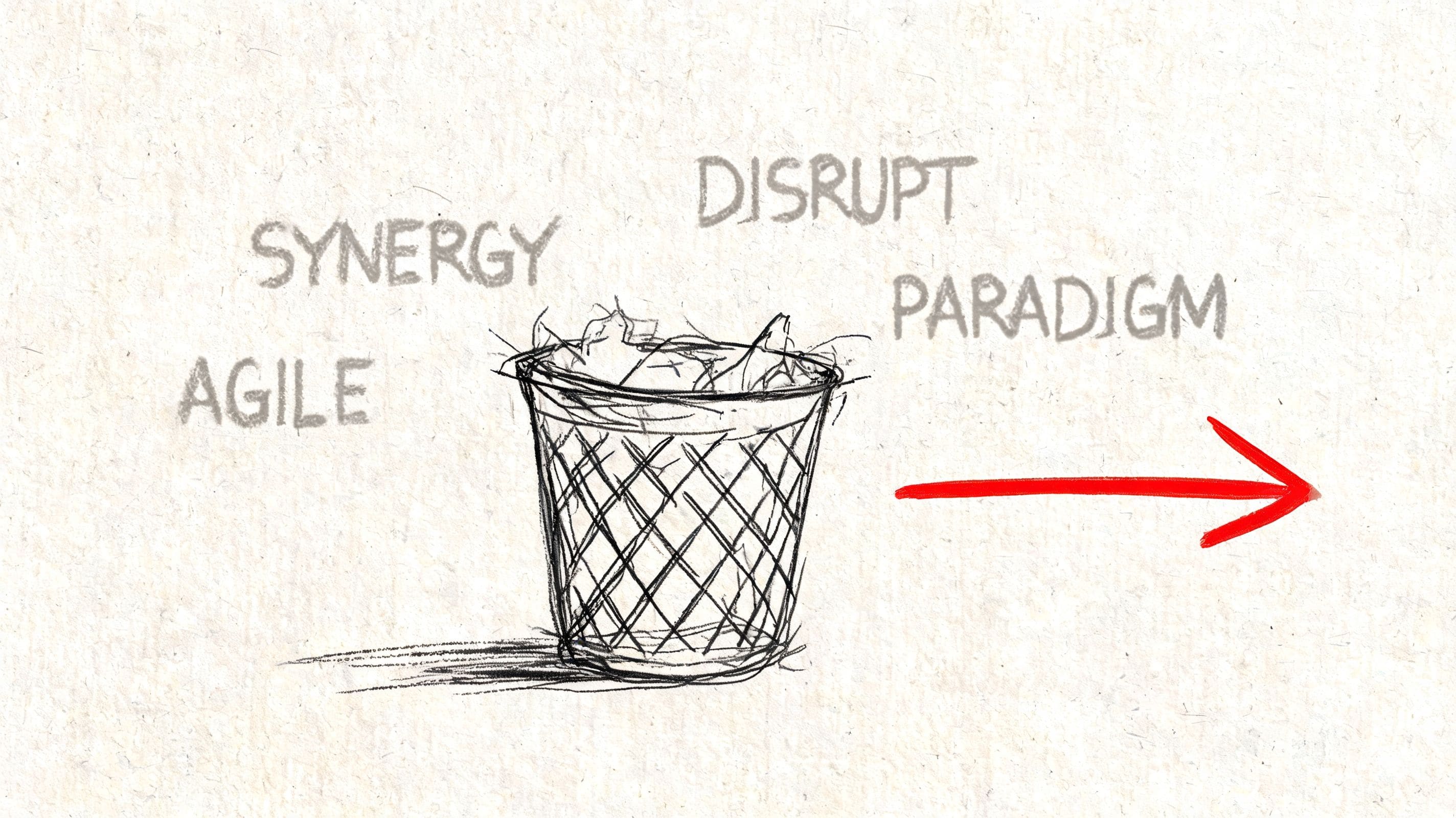
Words like "dynamic", "passionate", "results-driven", and "creative" don't explain the move. They fill space and add no evidence.
Dynamic professional seeking to apply diverse experience in a new industry.
Better:
Operations professional moving into project support, with experience in scheduling, stakeholder communication, and process coordination.
No proof line
Many profiles sound plausible until the reader asks, "What has this person done?" If the profile doesn't answer that, it often gets skimmed past.
Bad:
Excellent communicator with transferable leadership skills.
Better:
Led day-to-day team coordination and customer issue resolution in a high-pressure environment.
Mismatch between headline and body
If the profile says "data analyst" but the rest of the CV still reads like a retail CV with no translated skills, the application looks inconsistent. That inconsistency is exactly what screening systems and recruiters notice.
A useful way to think about keywords comes from role-specific guidance such as optimizing your product management resume. The principle carries across fields. Keywords should support a credible story, not be dropped in randomly.
Don't stuff the profile with target-role terms if the rest of the CV can't support them.
Candidates who want to audit these issues systematically should check this list of ATS CV mistakes, because small wording and formatting choices often decide whether a customized CV gets read at all.
Frequently Asked Questions
How should someone write a career change CV profile with no directly related experience
Start with the target role, then focus on adjacent skills, relevant tools, training, and work behaviours that transfer. Keep the profile honest. Don't pretend to have done the new job already. Show why previous experience still matters.
Is a functional CV better than a chronological CV for a career change
Usually, a hybrid CV works better than a fully functional one. It gives space to lead on skills while still showing a clear work history. That tends to feel more credible to UK recruiters and easier to scan.
How long should a career change CV profile be
Keep it tight. Around 3 to 5 lines is usually enough. If it takes a full paragraph to explain the pivot, the profile is doing too much and saying too little.
Should the profile mention the reason for the career change
Only if it adds value. Most of the time, the profile should focus on relevance, not personal motivation. The fuller story can sit in the cover letter. These career change cover letter examples can help with that part.
What matters more in a career change profile, confidence or accuracy
Accuracy first. Then confident language. A profile should make the move sound deliberate and credible, not exaggerated.
A strong career change CV profile makes the pivot understandable in seconds. CV Anywhere helps candidates build ATS-friendly CVs, compare their CV against job descriptions, and track customized applications in one place, which is useful when each career change application needs a slightly different angle.